
Terrain decisions quietly affect almost every Warhammer 40K game. How fast you can set up, how fair the table feels, how much space you need, and whether your terrain actually gets used at all. This guide breaks down the real differences between foldable terrain and traditional terrain, without hype, so you can choose what actually fits how and where you play.
What Is Traditional Terrain?
Traditional terrain usually refers to rigid pieces made from MDF, plastic, resin, foam, or a mix of materials. These are the classic ruins, buildings, hills, and scatter terrain most players started with.
- Rigid and non-collapsible
- Often highly detailed out of the box
- Bulkier to store and transport
What Is Foldable Terrain?
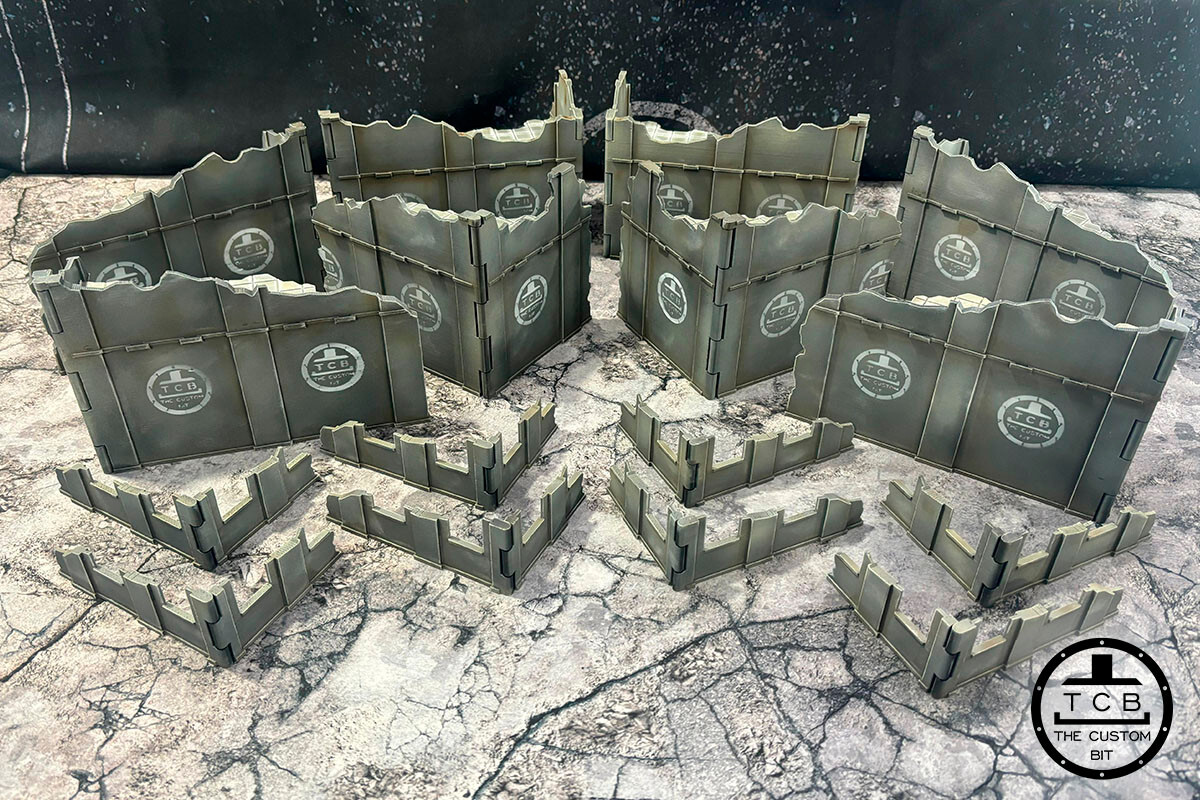
Foldable terrain is designed to collapse flat when not in use. It focuses on fast setup, easy storage, and consistent table layouts. This style of terrain has become increasingly popular for home play, clubs, and events.
- Folds flat for storage
- Lightweight and travel friendly
- Designed for repeatable layouts
Storage and Space
This is where foldable terrain has a clear advantage.
Traditional terrain takes up far more space than most players expect. A single table worth of ruins can fill multiple storage bins, and irregular shapes waste space quickly.
Foldable terrain stores flat. A full table can fit in a slim box or bag, which matters if you play at home, travel to events, or share space with other hobbies.
If space is already tight, foldable terrain for Warhammer 40K is often the difference between terrain that gets used and terrain that stays in storage.
Transport and Travel
Transport becomes important very quickly if you play anywhere other than your own house.
Traditional terrain is heavier and more fragile. Broken corners, chipped paint, and snapped walls are common once pieces start traveling.
Foldable terrain packs flat, weighs less, and is easier to move without damage. This is one of the main reasons many tournament organizers and clubs are switching to foldable sets.
Large events often reference standardized terrain expectations similar to those discussed in ITC terrain and event guidelines.
Setup Time
Setup speed matters more than people think, especially if you have ever helped run an event or set up multiple tables.
Traditional terrain usually involves unpacking bins, arranging pieces by eye, and debating placement. It works, but it takes time.
Foldable terrain is built for fast, repeatable setup. When paired with terrain footprints, tables can be set consistently in minutes with no guesswork.
Many competitive players and TOs have highlighted the importance of repeatable layouts in terrain discussions on Goonhammer’s terrain articles.
Gameplay Consistency
Consistent terrain leads to better games.
Traditional layouts often vary from table to table. That can be fun casually, but it can also create uneven matchups.
Foldable terrain supports standardized layouts, which is especially important for competitive play, pickup games, and events.
The core terrain rules that govern how terrain interacts with gameplay are outlined by Games Workshop on Warhammer Community.
Visual Appeal
Traditional terrain often wins on raw visual detail, especially when heavily painted or customized.
Foldable terrain has improved significantly. While it may look simpler up close, once models are on the table and the game is underway, the difference matters far less than most people expect.
Durability Over Time
Rigid terrain can last a long time if it never moves. Once it starts traveling, wear and damage add up.
Foldable terrain is designed for repeated use. It bends instead of breaking and is easier to maintain over time.
Cost Over Time
Traditional terrain can become expensive once you factor in storage bins, repairs, and replacement pieces.
Foldable terrain often costs less long term because it reduces storage needs, transport damage, and replacement costs.
Which One Is Right for You?
- Home players with limited space: Foldable terrain
- Tournament organizers and clubs: Foldable terrain
- Display-focused hobbyists: Traditional terrain
- Players who travel often: Foldable terrain
Frequently Asked Questions
Is foldable terrain tournament legal for Warhammer 40K?
Yes. Foldable terrain is commonly used at tournaments as long as it follows standard terrain rules and provides clear, consistent footprints and line of sight.
Does foldable terrain affect gameplay balance?
Gameplay balance depends on layout and placement, not whether terrain is rigid or foldable. In many cases, foldable terrain improves balance by making layouts more consistent.
Can you mix foldable and traditional terrain?
Absolutely. Many players use foldable terrain for core ruins and layouts, then add traditional scatter terrain for visual flavor.
Is foldable terrain good for home play?
Foldable terrain is especially good for home play if space, storage, or setup time is limited.
Final Thoughts
Traditional terrain excels at display and immersion. Foldable terrain excels at practicality, consistency, and modern play needs.
If your terrain is a barrier to playing games, not enhancing them, that usually answers the question.